

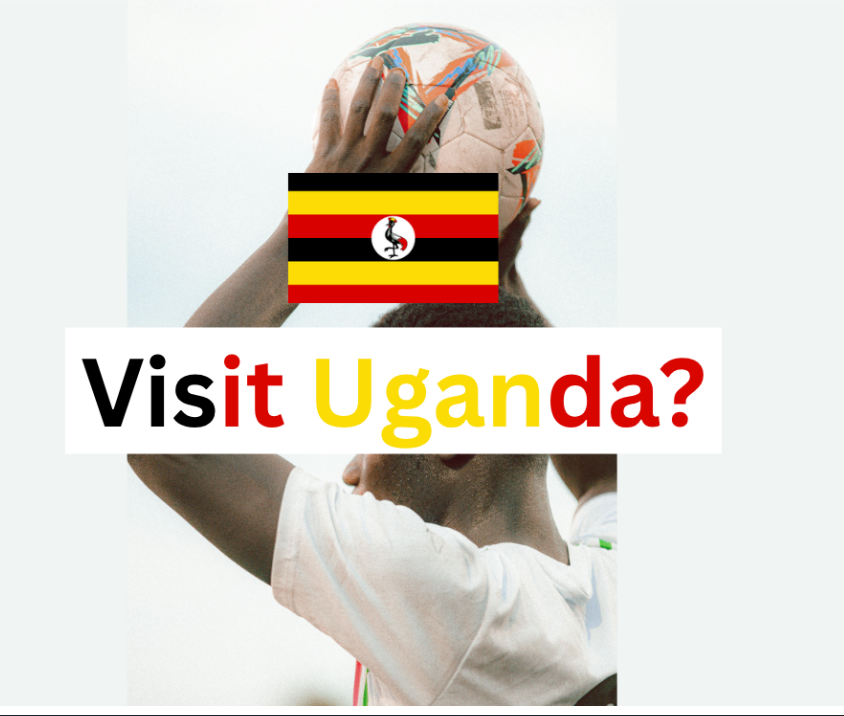
Uganda’s reported plans to partner with English Premier League clubs to promote the “Visit Uganda” brand represent an ambitious and potentially transformative tourism strategy.
Following the path pioneered by Rwanda through its partnerships with Arsenal and Paris Saint-Germain, Uganda hopes to leverage football’s global reach to attract tourists, investors, and international attention. With the Premier League reaching audiences in more than 200 countries and territories, the logic is clear: few marketing platforms can offer such visibility.
But as exciting as this opportunity sounds, it raises an important question.
Can Uganda truly maximize the benefits of football-driven tourism marketing if its own football ecosystem remains underdeveloped?
The challenge is not choosing between global exposure and local football development. The challenge is balancing both.
Promoting Uganda through foreign football clubs can create awareness, but building Uganda’s own football product creates long-term value.
A useful analogy comes to mind: relying entirely on foreign football platforms to market Uganda is like milking a neighbor’s healthy cow while your own remains underfed. The milk may be beneficial today, but sustainable growth comes from investing in your own herd.
Uganda already possesses one of Africa’s greatest football assets: passionate fans.
Every weekend, thousands of Ugandans spend money on subscriptions, sports bars, viewing centres, jerseys, and digital content to follow clubs such as Arsenal, Manchester United, Chelsea, Liverpool, and Manchester City. The demand for football entertainment clearly exists.
The question is why that same passion has not translated into similar commercial success for local football.
Part of the answer lies in the product itself.
Modern football is no longer just about what happens on the pitch. It is about infrastructure, broadcasting quality, fan experience, branding, storytelling, sponsorship, and governance.
When leagues are professionally managed, investors pay attention. Sponsors become interested. Broadcasters see value. Scouts arrive. Fans engage more deeply.
A stronger Uganda Premier League would not only develop players but also create jobs for coaches, analysts, media professionals, marketers, content creators, medical staff, stadium operators, and event managers.
More importantly, it would provide Uganda with something even more powerful than a jersey sponsorship deal.
It would provide Uganda with its own story.
Imagine league matches broadcast consistently across East Africa. Imagine modern stadiums filled with supporters. Imagine local clubs becoming recognizable brands across the continent. Imagine scouts regularly attending Ugandan matches in search of the next Aziz Kayondo or Allan Okello.
That is the type of visibility that creates lasting football economies.
The “Visit Uganda” initiative should therefore be viewed as one part of a larger strategy rather than the strategy itself.
Yes, Uganda should embrace global partnerships that elevate its tourism brand.
But at the same time, policymakers, football administrators, sponsors, and investors must continue strengthening the domestic game.
Because while international clubs can help tell Uganda’s story to the world, only Uganda can build a football product worth talking about.
The Premier League may offer a global microphone.
But the Uganda Premier League must provide the voice.
























Leave a Reply